Nuclear powered engines in the U.S. would not die out with the Orion project. Instead, a less destructive method was thought up to the next generation of atomic rocket. And this time, it would go past speculation and see real progress in the field.
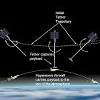
This second go at the atomic rocket would begin in 1963 and was called Project Rover, a hydrogen thruster meant to supplant weak chemical rockets at the time. Indeed, Rover’s initial goal was to fabricate intercontinental ballistic missiles, which were not yet able to reach across the Pacific Ocean. However, it would quickly steer to interplanetary endeavors as the program changed hands from the Air Force to NASA. With Sputnik having entered orbit but a few years ago, America was looking for an edge in the oncoming race, and were willing to try any type of proposal to get ahead.
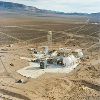
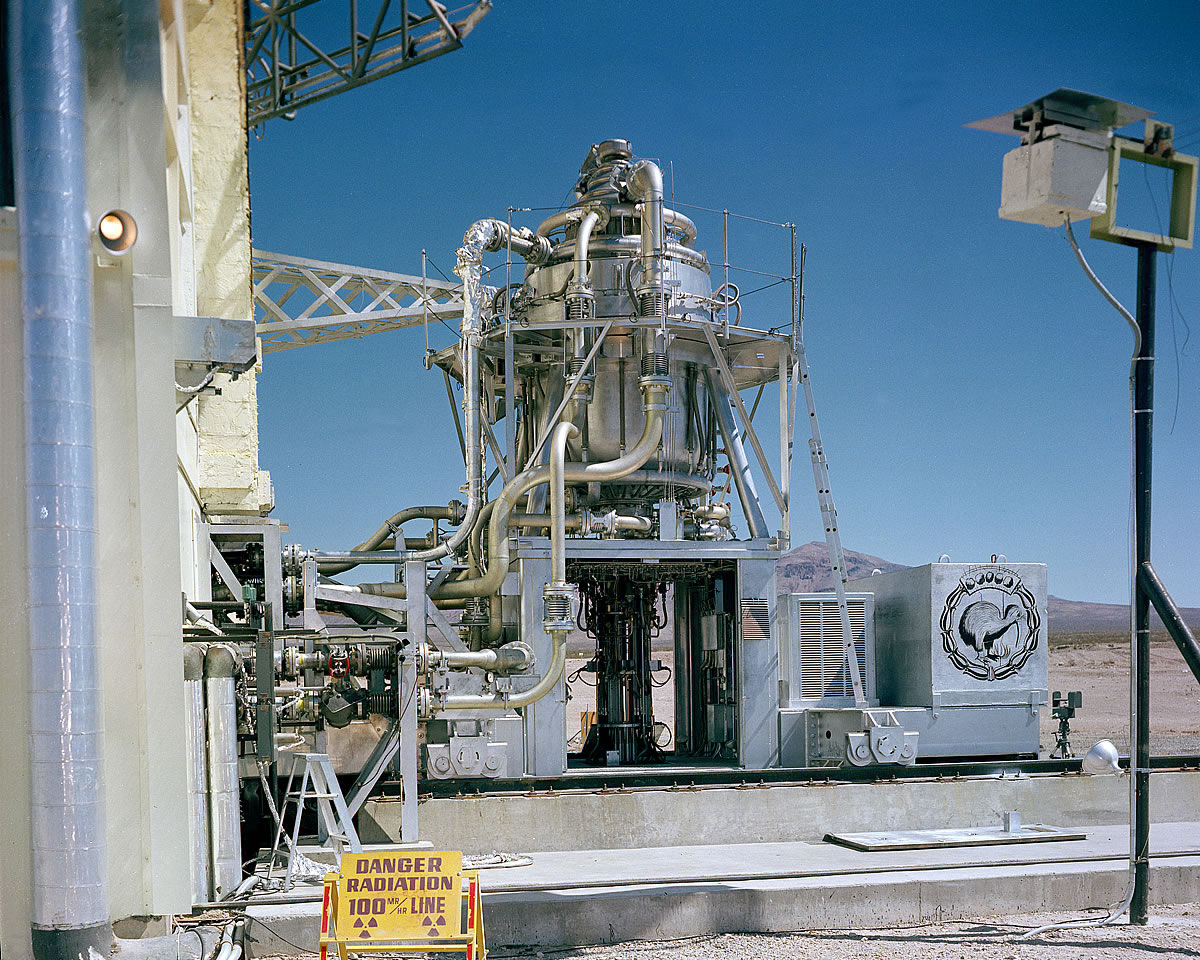
The new project would get off to a brilliant start, constructing nuclear reactors with outputs up to 4,000 kilowatts. These new reactors would be used to heat up liquid hydrogen and produce immense thrust. However, a problem emerged: no one wanted to build the rest of the spacecraft. While the reactors had already been constructed, the Vietnam War drained money from every non-military development, and by 1970 America’s space race with the Soviets saw them sticking to now successful chemical rockets.
While it never left the ground, Rover had a huge impact in the field of nuclear reactors, with research letting them be smaller and, more importantly, safer than they ever were before. Years of research into space’s harsh conditions gave the Los Alamos team a wide understanding of their reactors, and information that may someday prove useful to future nuclear spaceflight projects.