In more recent interpretations of Revelations, the first horse of Conquest is sometimes replaced with the concept of Pestilence - that of plagues and infection. The origin of this take is unclear, save for that it emerged around the early 1900s and may have stemmed from contemporary translations. Matching the recency of this apocryphal horseman comes ongoing research into a material which may be affecting all of us, the threat of microplastics.
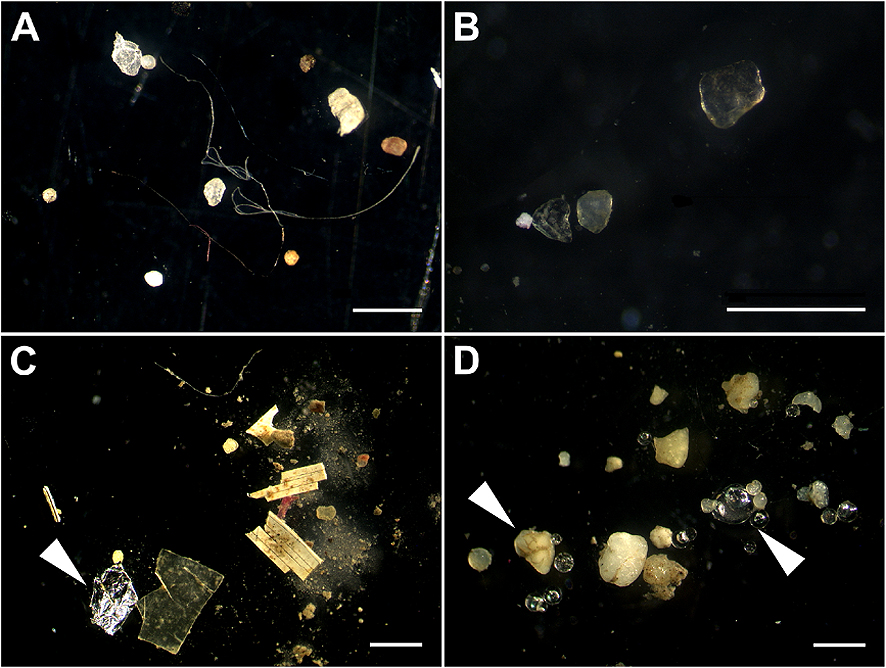
WAs plastic erodes and degrades over time, it flakes off into small fragments. Microplastics are the result of this fragmentation, objects up to 5 millimeters in size which never decay and never leave the environment. Some microplastics are even created as-is, such as ‘microbeads’ of small plastic spheres used in many cosmetic products.
-1.webp)
When microplastics form, they often end up in the water, eaten by fish and moving up the food chain. Alternatively, plastic bottles and other drinking containers may leach off tiny fragments of plastic into the fluids within. The effects of microplastics are not fully known, but it is known that it is accumulating in humans and that many chemicals which go into plastic can be quite harmful in the blood. If there are indeed negative effects, the consequences will be severe —the ubiquity of plastic means microplastic intake will surpass even past catastrophes like leaded fuel in the atmosphere.
Like the horseman of Pestilence, it’s unknown if microplastics are a hazard or to what extent. But if they truly belong among the four horsemen, then they are a plague which has afflicted all of us.