The fourth and final horseman, atop his pale horse, is simply that of Death. Many cataclysms have been loosed upon the modern world, intentionally or not, with Hades following them much the same. But in terms of mass exposure, no one substance has been as damaging as tetraethyl lead.
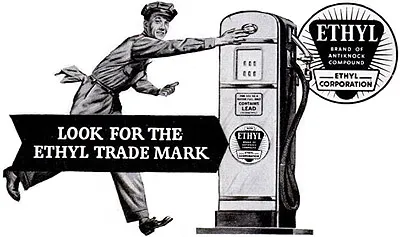
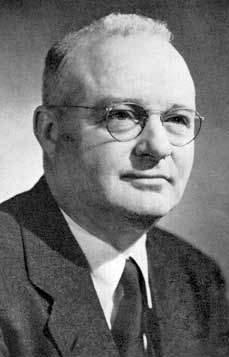
While the compound was discovered decades before, a similar story to DDT, the man responsible for introducing lead into fuel was Thomas Midgley in the 1920s. His invention would be an agent which could prevent engines from “knocking”, or colliding pistons without the fuel igniting.
As a piston engine is powered, it compresses fuel until it detonates, which pushes the piston back down and adding propulsion. Knocking can hamper the engine and cause undue stress to its parts, and so an anti-knock agent in the world’s fuel would be a profitable endeavor to invent — one Midgley would pounce on despite lead’s known hazards.
Neither Muller nor the companies selling DDT by the gallon had the ability nor patience to test it on a large scale. The quantities at which DDT was being sprayed would lead to the death of not just insects, but many other animals. DDT accumulation in the soil would result in runoff leading to rivers and lakes, where it was found to be highly toxic to fish. Birds feeding off DDT-laden insects would struggle to reproduce as it thinned eggshells and caused young to die — in a particularly notable United States study, the bald eagle population was hit hard by DDT as they fed off poisoned animals.
Although it is banned in United States agriculture, DDT still sees use elsewhere, particularly where mosquitoes are prevalent. While its usage now is slim, and its symptoms to humans may seem minor compared to other banned substances, its effects on the food chain could lead to devastating famine if not curtailed.